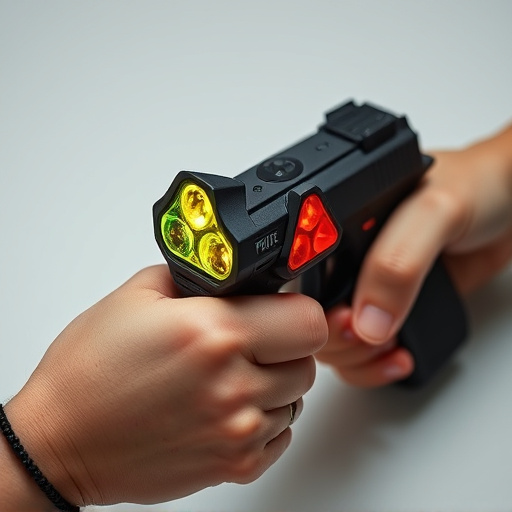
The impact of Taser deployment, particularly with the Triad stun gun, varies greatly in duration due to factors like model, target's body composition, and discharge settings. Paralysis can last from seconds to over 15 minutes. Proper training, advanced models minimizing prolonged paralysis, recognizing limitations, and swift medical assistance are crucial. Post-care measures after Taser deployment include ensuring safety, hydration, oxygenation, seeking medical attention if needed, and documenting incident details to enhance future taser safety protocols.
“Discover the surprising duration of paralysis post-Taser deployment in this comprehensive guide. While often used as a non-lethal weapon, the effects of a stun gun, like the Triad stun gun, can vary. This article delves into the factors behind varying paralysis durations, offering insights into the complex interplay of force and human physiology. We explore essential considerations for post-Taser care and recovery, shedding light on the importance of prompt medical attention in managing potential long-term effects.”
- Understanding the Impact of Taser Deployment
- Factors Influencing Paralysis Duration
- Post-Taser Care and Recovery Considerations
Understanding the Impact of Taser Deployment
Understanding the Impact of Taser Deployment is crucial in comprehending the potential consequences, especially regarding paralysis duration. The triad stun gun, a powerful tool for law enforcement and security personnel, delivers an electric shock that can temporarily incapacitate individuals, but its effects vary greatly. Paralysis from taser deployment can last anywhere from a few seconds to several minutes, depending on factors such as the device’s settings, the target’s body composition, and the duration of the discharge.
This variability underscores the importance of responsible use and proper training for those deploying such devices. In many cases, officers are equipped with advanced models designed to minimize the risk of prolonged paralysis. Moreover, understanding the limitations and potential side effects ensures that emergency responders can provide swift medical assistance if needed, helping to mitigate any adverse impacts from taser deployment.
Factors Influencing Paralysis Duration
The duration of paralysis induced by a taser deployment can vary widely and is influenced by several factors. One key factor is the model of the stun gun used, such as the triad stun gun, which may have different settings and energy outputs affecting the impact and length of paralysis. The physical attributes of the target, including body mass index (BMI) and muscle mass, can also play a significant role in determining how long they remain paralyzed. Additionally, environmental conditions, like temperature and humidity, might contribute to the duration as these factors can influence both the electrical conduction within the body and overall recovery time.
Other relevant considerations include the area targeted by the taser, as different muscle groups have varying levels of sensitivity and recuperation rates. The effectiveness of any underlying health conditions or medications taken by the individual should also be considered, as they could either amplify or reduce the effects of the stun gun. Lastly, proper training and protocol adherence by law enforcement officers deploying the device are crucial to minimizing unwanted outcomes and ensuring the safety of both suspects and officers alike.
Post-Taser Care and Recovery Considerations
After a taser deployment, proper post-care and recovery are essential, especially considering the potential impact on the body’s systems. The duration of paralysis caused by a triad stun gun can vary significantly depending on factors like the model, voltage output, and individual sensitivity. In general, the effects can last from several seconds to up to 15 minutes or more for certain models. During this time, it’s crucial to monitor the subject for any signs of distress or adverse reactions.
Proper post-care involves ensuring the subject is in a safe environment, away from potential hazards or people who might cause further harm. Hydration and oxygenation should be maintained, and if necessary, medical attention should be sought, especially for prolonged or severe paralysis. It’s also important to document the incident, including details about the taser used, the duration of paralysis, and any observed symptoms, to facilitate better understanding and future improvements in taser safety protocols.
The impact of taser deployment and its effect on paralysis duration is a complex issue, influenced by various factors. As discussed, understanding the mechanics behind taser functions and individual physiological responses is key in determining potential outcomes. While a triad stun gun may offer quick immobilization, the subsequent recovery period requires careful consideration. By recognizing the variables at play, proper post-taser care can be implemented to ensure the best possible outcome for individuals affected by these devices.